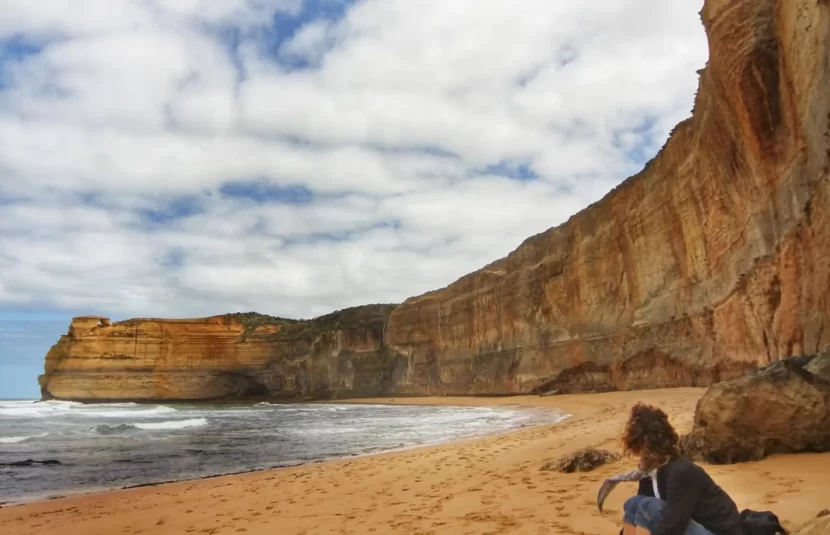
The Great Ocean Road in Australia is famous for its stunning coastal views, dramatic coastlines and natural wonders. One of its most iconic landmarks was the London Bridge rock formation. But on January 15, 1990, a dramatic event occurred when the natural arch connecting the formation to the mainland collapsed, leaving two tourists stranded on the newly isolated rock. Many people who do a Great Ocean Road day tour from Melbourne are interested in the history and beauty of this spot.
Contents
Bridge Collapse
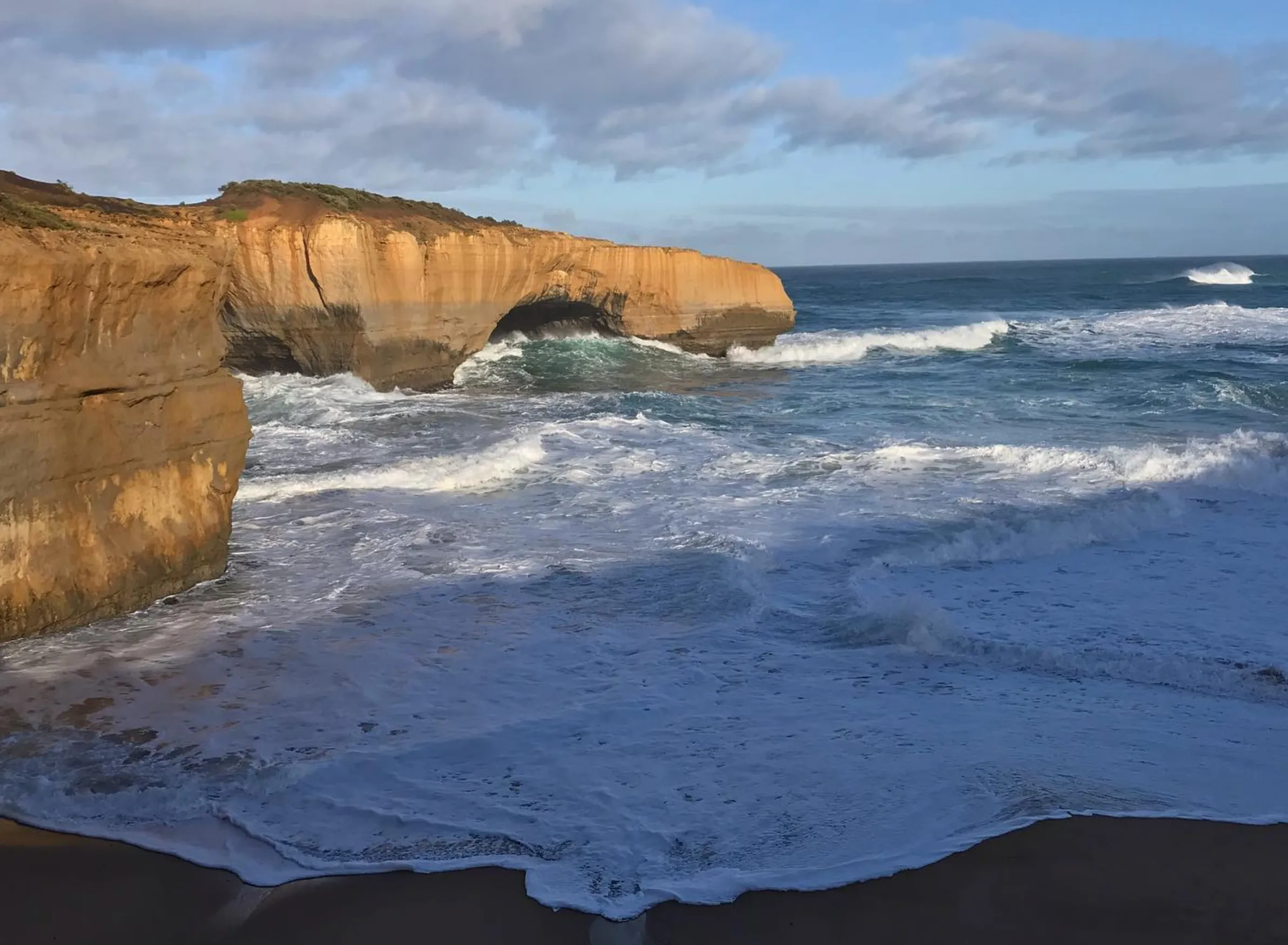
London Bridge was originally a double arched rock formation extending into the ocean along the rocky coast of the Great Ocean Road. Over thousands of years erosion by wind, waves and rain had shaped this structure. But on that day in 1990 the central arch just gave way without warning and broke off from the mainland. This was one of many dramatic collapses along the coastline landmark, showing the instability of rock cliffs and natural rock arches over geological time scales.
No one was hurt but two tourists who were on the upper platform of the bridge found themselves stranded. They had to be rescued by helicopter in a dramatic operation that made headlines around the world. The sudden collapse was a stark reminder of the changing nature of coastal rock platforms and the accessibility barriers of cliff settings including beach access and viewing platforms.
Why Did London Bridge Collapse?
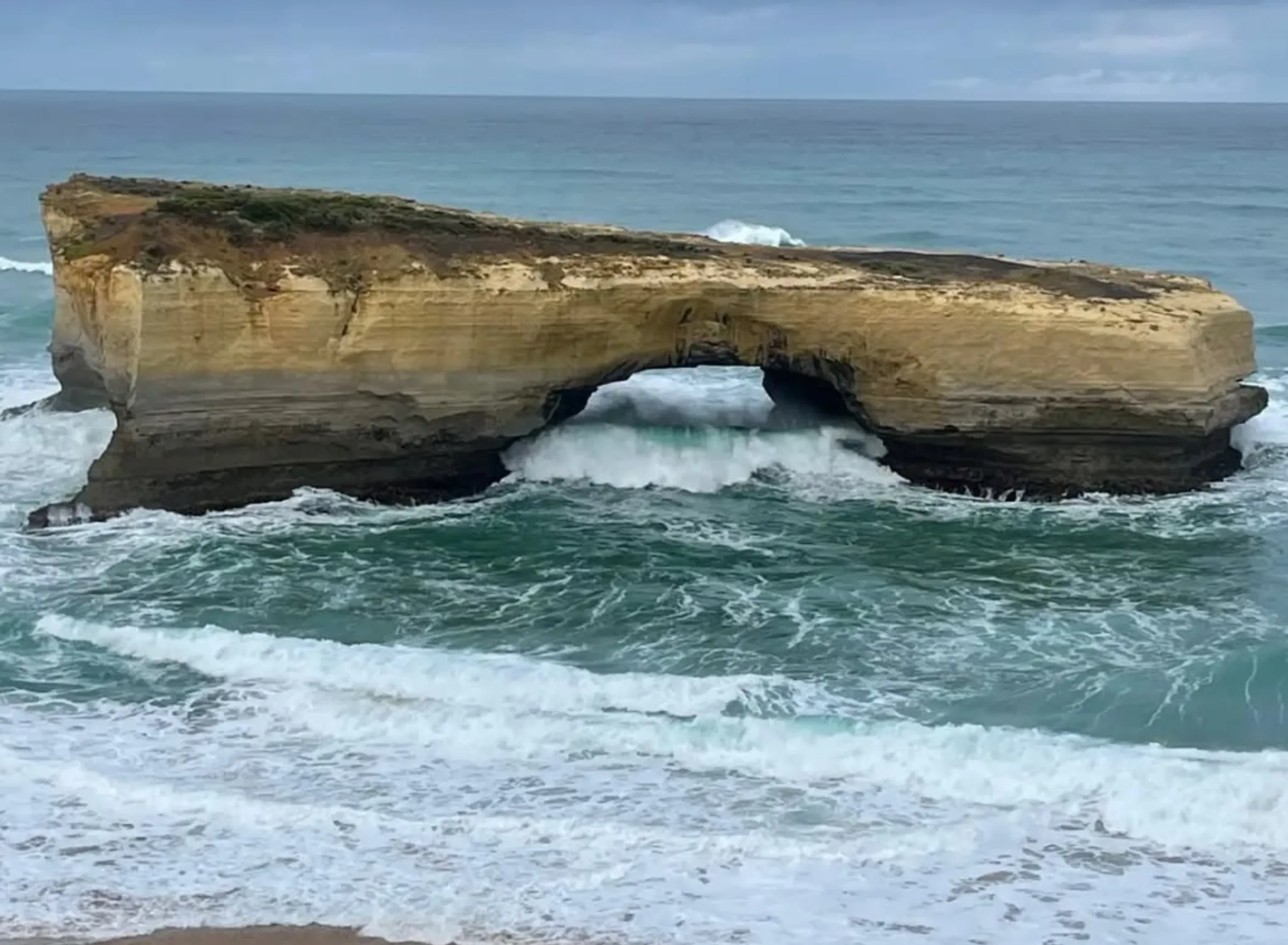
The main cause of the collapse was erosion. The sandstone cliff and rock stacks along the Great Ocean Road are constantly being shaped by nature. Over time the relentless action of waves, wind and rain weakens the rock and causes structural failure. While the collapse of London Bridge was unexpected, geological history events like this are inevitable in coastal rock coastlines. The impact of current sea levels and climatic history is still playing a big role in shaping these formations.
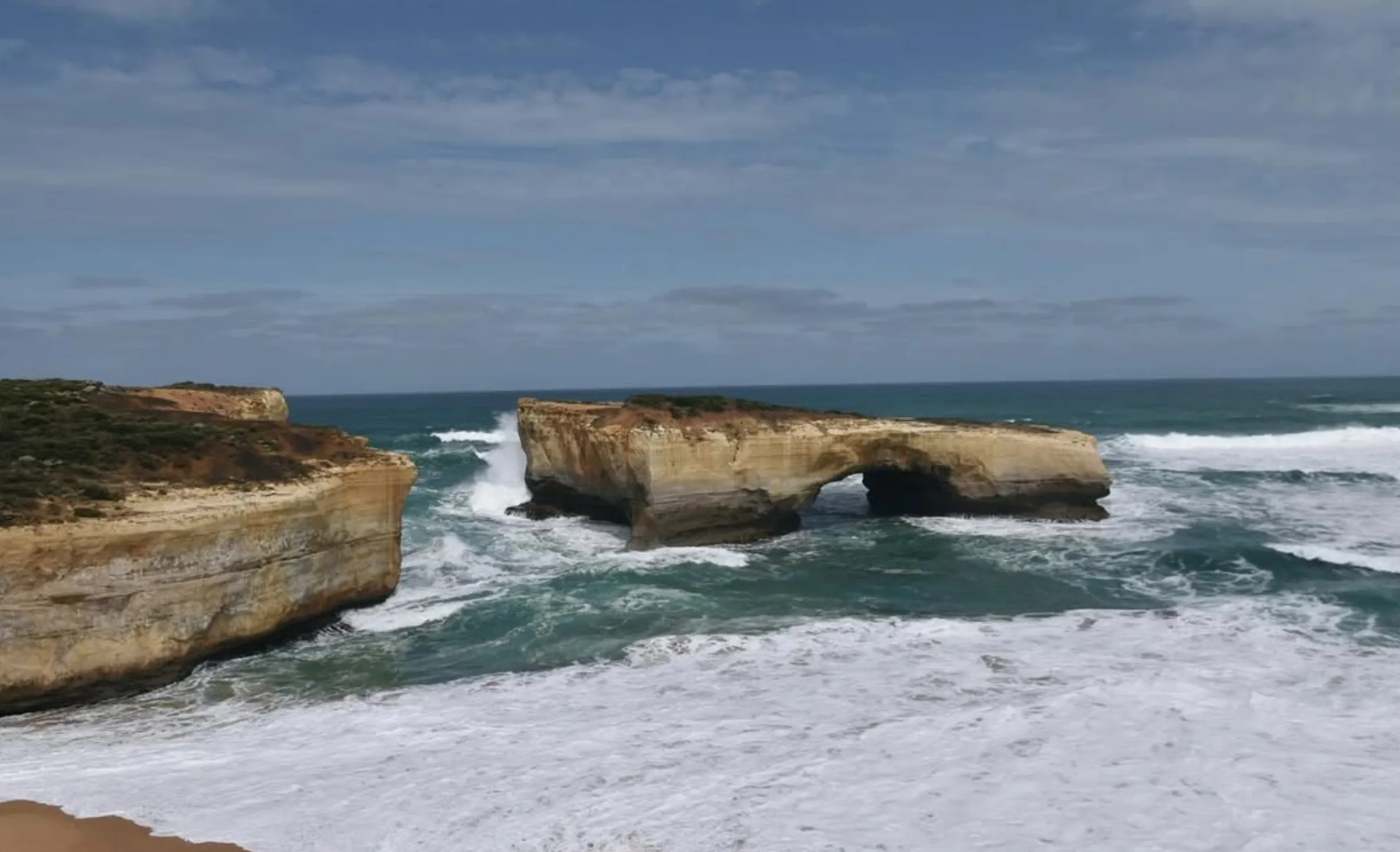
Coastal formations like London Bridge change over time periods including changes in sea levels and water levels. Coastal winds and the pounding of the waves create instability in natural archways and rock cliffs resulting in amazing cliff collapses throughout history. The London Bridge collapse also raised concerns about beach safety guides, beach access and the need for more digital accessibility for tourists in the area. On most Great Ocean Road tours you will learn about the forces of nature that are still shaping the coastline. And just next to London Bridge are the Twelve Apostles.
A Stunning Coastal Landmark
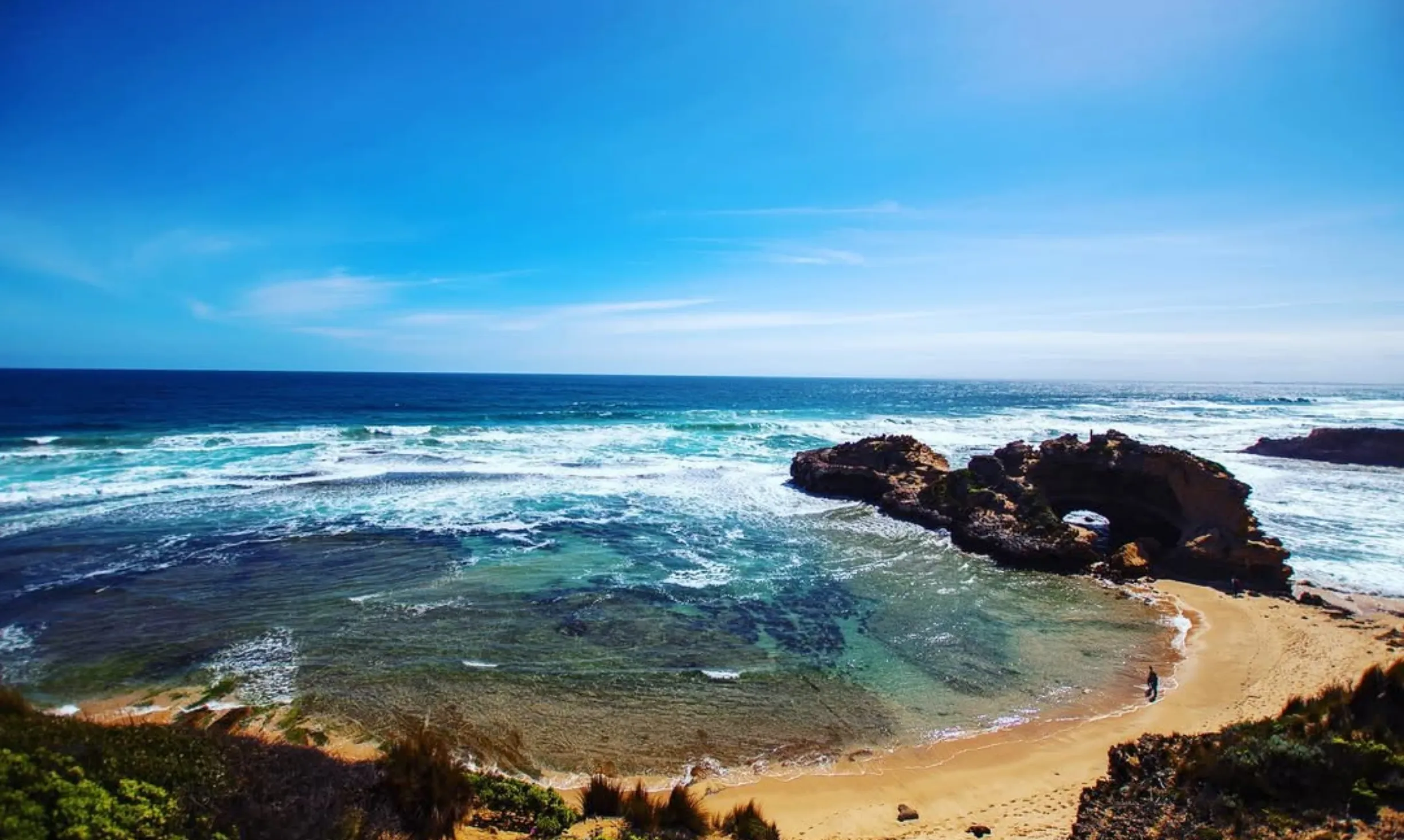
Today the old structure is still a popular tourist attraction, but is now known as “The Arch” not “London Bridge”. You can view the arch from designated lookouts, including an upper viewing platform and appreciate the natural beauty and the forces that have shaped it over time. The coastline with its stunning views still attracts thousands of tourists who marvel at the natural rock arches and the landmark of the coast.
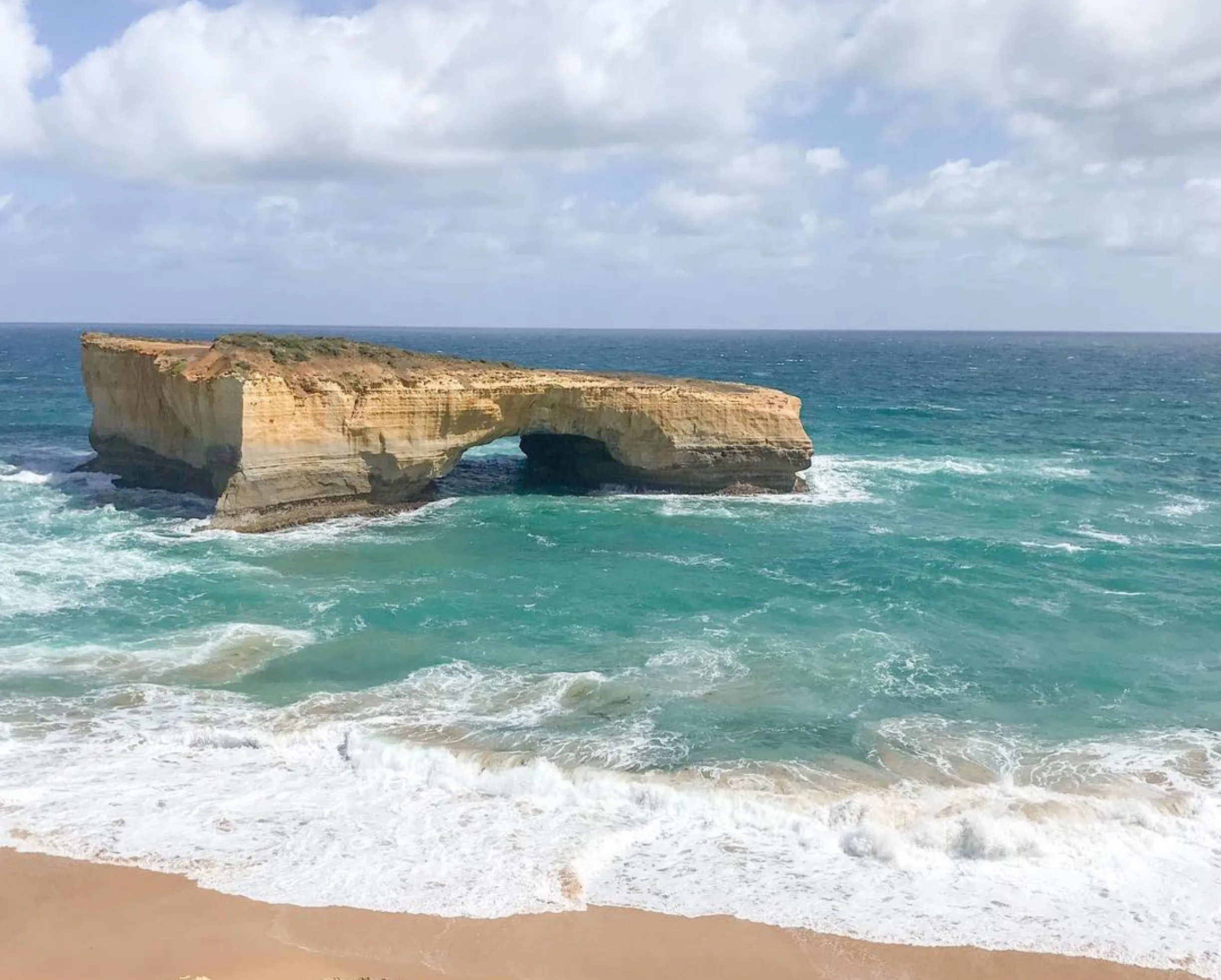
A minute from nearby campgrounds and beaches, The Arch is part of Australia’s geological history. The collapse also raised concerns about accessibility, to ensure tourists can safely access the upper viewing platform and coastline with loads of natural beauty. Accessibility barriers in cliff environments have led to new infrastructure development to increase visitor safety and provide accessible content about the area’s rich geological history.
Many people choose a 3 day Great Ocean Road tour to see it all, taking in London Bridge and The Arch and other natural wonders of the coast.
The collapse of London Bridge also highlighted the need for caution when visiting natural archways, rock cliffs and the entire Great Ocean Road coast. Authorities now monitor similar structures more closely to anticipate cliff instability and ensure visitor safety. Beach safety guides are available to help tourists navigate the region’s accessibility issues, beach access points and protected beach areas.
Conclusion
The entire Great Ocean Road is changing over time so it’s important to stay informed through accessible content and beach safety guides.
For more information and updates on coastal formations, beach safety guides and digital accessibility sign up to our site!
FAQ
When did the London Bridge on the Great Ocean Road fall down?
London Bridge fell down on 15th January 1990 and the nearest arch to the mainland.
Were there any injuries when London Bridge fell down?
No there were no injuries or fatalities. Two tourists were stranded on the remaining section and had to be helicopter-rescued.
What caused London Bridge to fall down?
It was natural erosion as the rock formation had been worn away by wind, waves and weathering over time. Coastal winds and historical climate have had a big impact on the coastline, making these cliffs fall in this area. The instability of the sandstone cliff, changes in sea levels and ongoing geological history are causing these formations to change.
Can I see London Bridge today?
Yes the remaining structure is now called “The Arch” and is a major attraction on the Great Ocean Road and can be viewed from the upper viewing platform. The area is also accessible from nearby camping parks and beaches, so there is beach access and safety measures in place for visitors.
Are other rock formations on the Great Ocean Road prone to falling down?
Yes many of the limestone formations along the coast are eroding and falling down. Authorities monitor these structures to ensure visitor safety, especially in cliff areas where accessibility measures need to be put in place to mitigate risks. Factors such as current sea levels, bridge condition and deep ocean activity are causing erosion.